
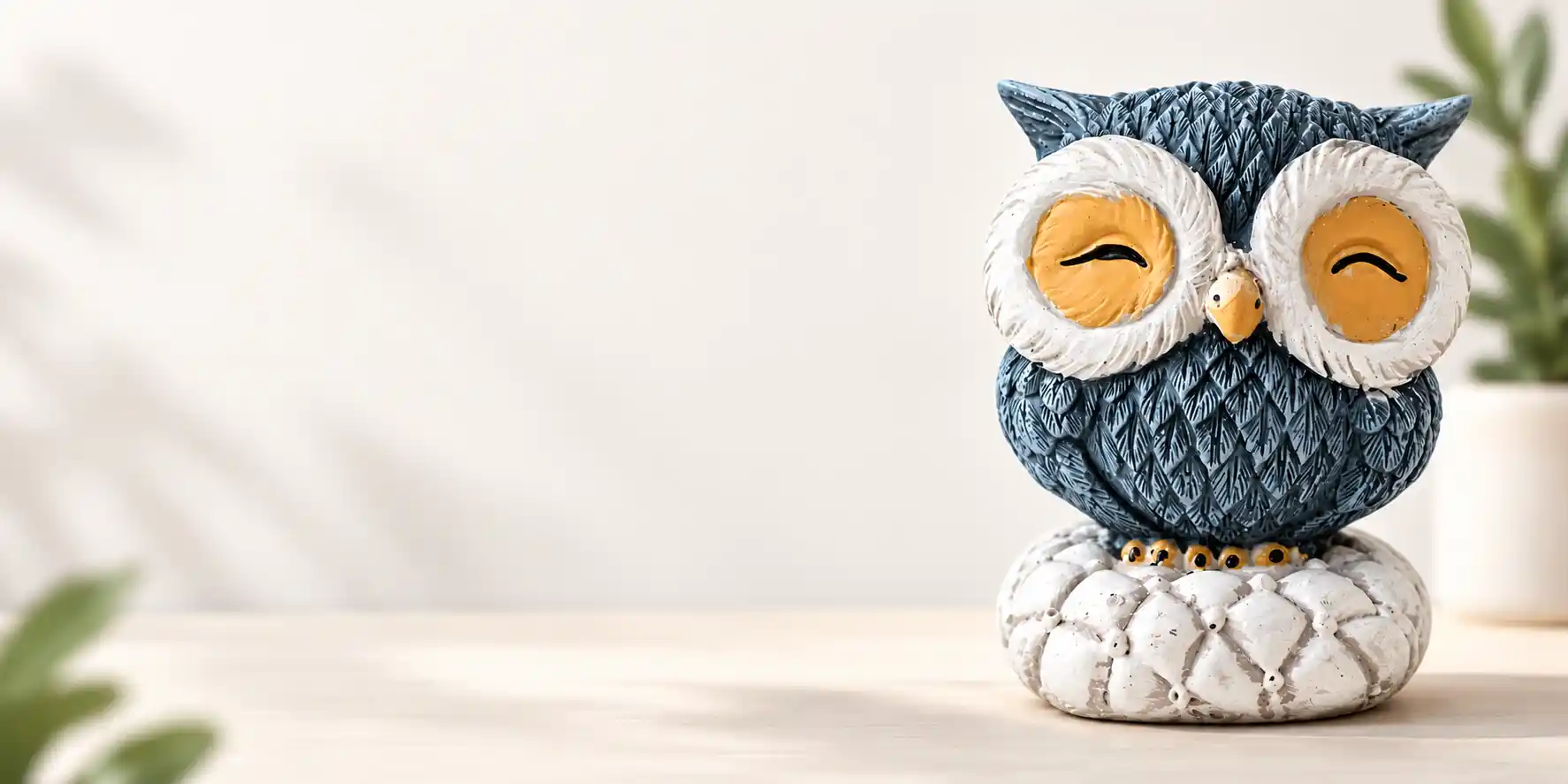
Decorative pieces can completely change how a room feels. A sculptural object can make an empty table more interesting, a vase can introduce shape and texture, and a decorative bowl can bring visual character to an otherwise practical surface. Yet there is an important difference between something that catches your attention immediately and something you will still enjoy seeing months or years later.
Decorating for lasting appeal requires more than following whatever currently looks exciting. It involves understanding your preferences, considering the existing room, thinking about functionality, and choosing objects that can adapt as your surroundings change. The following principles can help you select decorative pieces with greater staying power.
Start With What You Naturally Like
Before looking at current decorating trends, consider the objects, colors, shapes, and materials you repeatedly find attractive.
Personal preferences tend to provide a stronger foundation than short-lived excitement. You might consistently gravitate toward rounded shapes, earthy textures, simple geometric forms, detailed surfaces, muted colors, or bold sculptural pieces.
Pay attention to these patterns.
If you repeatedly choose similar visual characteristics over time, they are more likely to reflect your individual taste rather than a temporary influence. Decorative objects based on these preferences usually have a greater chance of remaining appealing.
The goal is not to restrict yourself to one aesthetic. Instead, develop enough awareness of your preferences to recognize when you actually like something and when you are simply responding to novelty.
Avoid Buying Something Only Because It Is Trending
Trends can provide useful inspiration, but they should not automatically determine what enters your home.
A decorative style may suddenly appear everywhere, making certain colors, materials, patterns, or shapes seem particularly appealing. The problem is that repeated exposure can sometimes create temporary attraction.
Ask yourself whether you would still want the object if you had never seen similar pieces featured elsewhere.
This simple question shifts attention from popularity toward personal preference.
You can still experiment with trends. However, consider introducing highly trend-driven ideas through smaller objects that are easier to rotate rather than making them the foundation of your entire decorative scheme.
Consider the Shape Before the Details
Decorative pieces are often noticed first through their overall silhouette.
A vase may feature an interesting surface finish, but its basic shape determines much of its visual presence. The same applies to sculptures, candle holders, bowls, trays, and other accessories.
Simple, well-proportioned forms can often adapt to changing surroundings because they do not depend entirely on elaborate details for visual impact.
Look at an object from a distance. If its basic shape remains attractive even when smaller details become less noticeable, it may have stronger long-term visual potential.
This does not mean every decorative piece should be minimal. Detailed objects can remain appealing too, especially when their overall form works well with the surrounding environment.
Choose Materials That Age Visually Well
Material has a major influence on how long you may enjoy seeing an object.
Wood, ceramic, stone, glass, woven fibers, and metal each create different visual effects. Some introduce warmth, while others create contrast, transparency, texture, or visual weight.
Consider how the material will interact with the surfaces already present in your room.
You should also think beyond its appearance when new. Some materials develop subtle changes in tone or texture over time. Depending on your preferences, those changes can either add character or reduce the object's appeal.
Understanding how a material behaves can help you select pieces you are more likely to appreciate over the long term.
Think About Versatility
A decorative piece becomes more useful when it can work in multiple locations.
Before purchasing something, imagine it in at least two or three different places. Could the vase move from a dining surface to a shelf? Could the decorative bowl work on an entry table as well as a coffee table? Could a small sculpture fit into a bookcase later?
Versatility matters because interiors rarely remain exactly the same.
Furniture gets rearranged, color schemes evolve, and accessories move between rooms. Objects that depend on one highly specific arrangement can become difficult to reuse when those changes happen.
Flexible decorative pieces give you more opportunities to refresh a room without replacing everything.
Be Selective With Bold Colors
Color can create immediate visual excitement, but intense colors may also become tiring when used without intention.
If you enjoy bold shades consistently, there is no reason to avoid them. However, distinguish between colors you actually enjoy living with and colors that simply look interesting at first glance.
Neutral and muted objects can often transition easily between different arrangements. Stronger colors may require more consideration because they interact prominently with surrounding furniture and accessories.
One useful approach is balancing quieter foundational pieces with a smaller number of colorful accents. This provides flexibility while still allowing the room to express personality.
Pay Attention to Scale
Even an attractive decorative object can become frustrating if its dimensions do not work with your space.
Before choosing a piece, think about where it could realistically be displayed. Consider the height, width, surrounding furniture, and amount of open surface available.
Oversized objects can dominate smaller rooms, while very small accessories may disappear visually on substantial furniture.
Scale also affects flexibility. A moderately sized object may work across several surfaces, whereas an unusually large piece might have only one suitable location.
Choosing proportions thoughtfully can therefore improve both immediate appearance and long-term usefulness.
Look for Texture, Not Just Pattern
Pattern creates visual interest, but highly distinctive patterns can sometimes dominate an object. Texture offers another way to introduce detail without necessarily making a piece visually overwhelming.
Consider ribbed ceramics, woven surfaces, subtly irregular stone, textured glass, carved wood, or brushed finishes.
These surfaces respond differently to light and can provide depth even when their colors remain relatively restrained.
Texture can also help connect different materials throughout a room. A rough decorative surface, for example, may complement soft fabrics or contrast effectively with smooth furniture.
This creates visual richness without relying entirely on bold graphics or complicated patterns.
Leave Room for Meaningful Pieces
Not every decorative object needs an emotional story, but leaving space for items that hold personal significance can make an interior feel more individual.
The important point is balance.
When every available surface is already filled with impulse purchases, there is little visual space for objects that eventually become meaningful to you.
A selective approach to decorating gives significant items more presence. Instead of becoming another object within a crowded collection, they can become recognizable parts of the room.
Fewer thoughtfully chosen pieces can sometimes create more character than a large number of unrelated accessories.
Do Not Ignore Practicality
Decorative pieces still exist within functional living spaces.
Think about cleaning, movement, storage, surface use, and everyday routines. A complicated arrangement that needs to be moved every time you use a table can quickly become inconvenient.
Likewise, fragile accessories may not suit surfaces that experience frequent activity.
Consider how often you will interact with the area and choose objects accordingly. Practical compatibility can influence how you feel about an accessory over time.
When an item fits naturally into everyday life, you are less likely to associate it with inconvenience.
Give Yourself Time Before Deciding
Immediate attraction can be powerful, particularly when encountering an unusual decorative object.
Waiting can help distinguish lasting preference from temporary excitement.
If possible, take some time before deciding. Think about where the item would go, what it would sit beside, whether you already own something similar, and how easily it could work elsewhere.
If you continue thinking about the piece after the initial excitement has faded, your interest may be more enduring.
Thoughtful purchasing can also prevent decorative clutter from accumulating over time.
Build a Collection Slowly
A visually interesting home does not need to be decorated all at once.
Building your collection gradually allows your preferences to become clearer. You can observe which objects you enjoy, which materials work well in your space, and which accessories you frequently move or remove.
Each decision then informs the next one.
This slower approach can create a more cohesive interior because objects are selected in response to the room rather than purchased simply to fill empty surfaces.
Final Thoughts
Choosing decorative pieces you will continue enjoying is less about predicting future trends and more about understanding your own visual preferences.
Look beyond immediate novelty and consider shape, material, texture, scale, color, versatility, practicality, and personal significance. Think about whether an object can adapt as your room changes and whether you actually enjoy its appearance independently of current trends.
Above all, give your interior time to develop. Empty space does not always need to be filled immediately. When decorative objects are chosen gradually and intentionally, they are more likely to feel connected to both your surroundings and your personal style.
The result is not simply a decorated room. It is a space filled with pieces that continue to feel relevant, interesting, and worth looking at.